
Adding catering to your event business can increase profits, bookings, and help scale your business to new heights. But with so many options for adding value to your business, why choose catering?
Event businesses offer a range of goods and services for weddings, corporate parties, community events, and so much more. From rentals like bounce houses and tents, to the spaces that host the events themselves, these companies are what make celebrations and special occasions possible. But for many rental businesses, if you don’t grow you die.
Ongoing maintenance fees, rising client expectations, and new vendors raise the stakes daily. Also, burnout is a real factor in such labor and customer service-intensive industries. That’s why adding a service like catering could be just what you need to breathe new life into your business profitability and goals.
With increased demand for bundled event services, rising client expectations, and fresh margin opportunities, catering could be just what you need to take your event business to the next level. Keep reading to discover why catering could be a good fit for your company, and how to add catering to your event business.
Why Catering Makes Sense for Event Businesses
You may offer rentals, a service like photography, or you may even own a popular venue. Adding catering may seem like an impossible or unusual step forward, but you might be surprised at the benefits to adding catering to your event business.
Here are a few of the top reasons catering makes sense for some event businesses:
- Higher Revenue Per Client – The number one reason event businesses would add catering to their service offerings is it brings in more money. The Knot reports an average catering cost of about $80 per guest, equaling around $8,000 for a standard 100 person wedding.
- Fewer Vendor Hand-offs – When your company handles catering alongside your current services, this can be an advantage for both you and your client. Busy brides and planners are more likely to choose a bundled service over multiple singular services. For your business, this can mean less chaotic schedules, less coordination, and more effective execution of your services.
- Operational Overlap – Catering requires many of the same core capabilities as other event businesses including budgeting, scheduling employees, coordinating suppliers, and managing onsite logistics. For example, many venues already understand dinner services, and many event rental and service companies may already offer concessions. For concession providers, catering requires many of the same licensing and compliance, making catering a natural evolution. Local and state restrictions can vary, but for federal compliance, refer to the FDA food code guide.
- Recurring Venue Relationships – Venues typically maintain a preferred list for catering and other services. The more value you offer to venues, the higher up on the list your business will land. If your event business already includes a venue or bookable space, you can save the trouble of working with third party caterers by moving the work in-house.
Which Event Businesses Are Best Positioned to Add Catering?
How well catering can be positioned into an existing event business depends on multiple factors including specialty, infrastructure, logistics, and existing compliance.
Below, we break down 6 of the best event businesses to add catering to. For each, we award a score of low, medium, or high to represent the potential ease and success of incorporating catering (i.e. a high = better positioned to add catering than a medium or low).
Party Rental & Supplies Companies – Medium-High
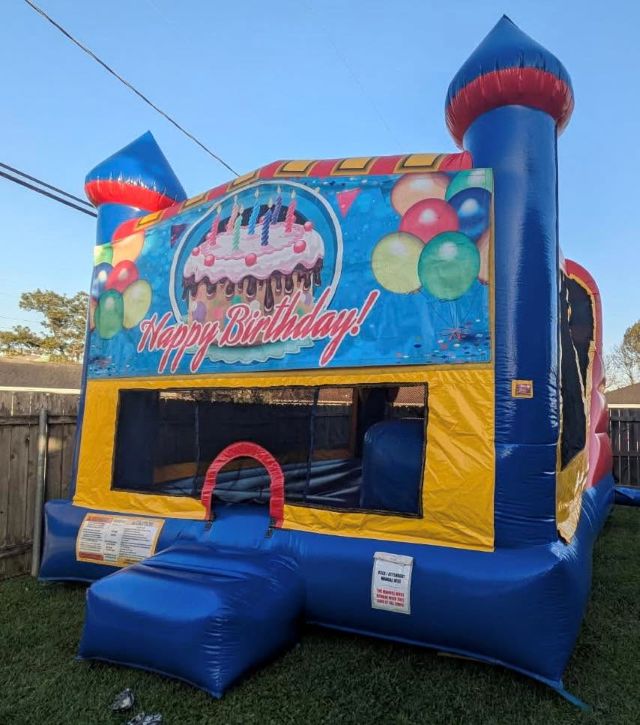
Party rental companies include inflatables, games, decor, and more party favorites. Party rentals are relatively well positioned because they already serve the same weddings, corporate events, and private celebrations that book catering.
Party rental companies may also provide tables, chairs, linens, dinnerware, glassware, and additional serving equipment, meeting a major operational demand.
The primary obstacle is that equipment logistics and food production are very different.
Adding catering requires…
- An approved kitchen
- Food-service permits
- Trained culinary and service employees
- Temperature-controlled food transportation
- Food-safety procedures
- Potentially additional insurance
Why Party Rentals got a Medium-High score: Strong customer, equipment, and logistics overlap, but food-production capabilities are still required. With an experienced or capable chef or food services manager, party rentals is a strong fit.
Venues – High
Venues are among the best-positioned event businesses to add catering because they control the location where food will be served. This gives them greater influence over kitchen access, event timing, staffing, guest flow and vendor policies.
Venues are also usually booked early in the planning process. In WeddingPro’s study of 16,956 U.S. couples married in 2024, 90% hired a venue and 82% hired the venue first. That creates an early opportunity to sell catering as part of the event package.
Why Venues got a High score: Venues control the event site, reach clients early, and can bundle a major event expense into the original contract. Venues with existing kitchens have the strongest position.
Tent Rental Operators – Medium
Tent rental companies share useful capabilities with off-premise caterers:
- Transportation and delivery
- Event scheduling
- Site inspections
- Setup and breakdown crews
- Weather contingency planning
- Power, lighting and equipment coordination
- Relationships with planners and venues
These capabilities are valuable because off-premises catering depends on getting staff, supplies and equipment to temporary event sites on time.
Take a look at the social post below from Daynas Party Rentals in Blackwood, NJ, providing tents, tables, chairs, and more for a range of events. With firm experience in delivery and setup logistics, event scheduling, and a positive reputation among event businesses in the area, Daynas is a great example of a tent business well positioned to add additional services like catering.
However, tent installation and food service remain operationally different. While most tent rental tech stacks provide things like inventory tracking for tent rentals, catering introduces menu development, kitchen production, food storage, allergen management and sanitation requirements. This may be difficult to learn and integrate into existing services for some operators.
Why Tent Rentals got a Medium score: Strong field-logistics overlap and access to relevant clients, but limited overlap with culinary production and food-safety compliance.
Wedding Planner – Medium
Wedding planners have strong customer access and a detailed understanding of event budgets, timelines, guest counts, and venue requirements.
Planners already coordinate catering as part of their work. That knowledge could help a planner design catering packages clients want, as well as sell those packages as part of their existing services.
The challenge is that planning companies are often asset-light with low staff counts. They may not have kitchens, employees, delivery vehicles, or purchasing relationships. Offering catering could also affect relationships with independent caterers that currently provide referrals or collaborate with the planner.
A partnership or white-label arrangement with an established caterer may therefore be less risky than building a culinary operation from scratch.
Why Wedding Planner got a Medium score: Excellent customer and coordination overlap, but generally weak infrastructure and potential conflicts with existing vendor relationships.
Whether you’re adding catering services, or simply looking to modernize or scale your wedding planning operation, Aisle Planner Pro offers the best software for planning weddings. Solutions include sales, revenue, customer management, scheduling, and more.
Florists – Low
Florists and caterers serve many of the same weddings and social events. Both businesses also manage perishable products, client customization, delivery deadlines, and onsite setup.
Despite that surface-level overlap, floral preparation is substantially different from commercial food production. Florists would usually need to build most catering capabilities from the ground up:
- Commercial kitchen access
- Culinary management
- Food purchasing and inventory controls
- Service employees
- Health permits
- Allergen and food-safety systems
Adding small food-adjacent products may be more realistic than adding catering services. This includes custom packaged favors, dessert displays, and decorative grazing-table styling.
Why Florist got a Low score: Good customer overlap but limited operational, staffing and regulatory overlap with food service.
Food & Drink Concessions – High
Food concession operators may be the most operationally prepared businesses on this list. Depending on their current model, they may already have:
- Food-service permits
- Food-handler or manager certifications
- Cooking and holding equipment
- Ingredient suppliers
- Food-safety procedures
- Point-of-sale systems
- Service employees
- Mobile transportation
- Experience forecasting demand
Existing concession operators may therefore possess many of the capabilities required for catering, including kitchen oversight, food-safety compliance, staffing, budgeting, customer service, and culinary food service experience. Get a glimpse into a mobile food concession business in the video below from Blessed Bites in Houston, TX.
@blessed.bites.htx Your sign to book that snack cart✨ Mini pancakes 🥞 Sundaes🍨 Snack cup🍬 Fruit cups🍓 Houston, Tx & surrounding areas! Insta:blessedbiteshtx Message me on TikTok!🫶 #cateringservice #booknow #htx #CapCut #snackcart ♬ sonido original – 𝖌𝖆𝖇𝖗𝖎𝖊𝖑 "
The main challenge for concession operators is scale and service style. Preparing a limited concession menu for walk-up customers differs from delivering a customized meal for a fixed guest count at a specific time.
Catering may require new skills in proposals, tastings, plated service, rentals and event coordination.
Alcohol-focused concessions face additional licensing restrictions. An existing alcohol license may not automatically authorize off-site catering or service at every event.
Why Food and Drink Concessions got a High score: The strongest food-production and compliance foundation, although operators must adapt from transactional concession service to scheduled, customized events.
| Event Business | Catering Potential | Key Advantages | Primary Challenges |
| Party rental supplies companies | Medium-High | Shared customers, event equipment, delivery experience, and logistical capabilities | Must add kitchen access, food permits, trained staff, temperature-controlled transportation, and food-safety procedures |
| Venues | High | Control the event site, reach clients early, and can bundle catering with venue packages | Strong fit typically depends on having an existing kitchen and adequate service staff |
| Tent rental operators | Medium | Strong delivery, scheduling setup, site-planning, and weather-management experience | Limited overlap with culinary production, food storage, sanitation, and compliance |
| Wedding planners | Medium | Understand client budgets, timelines, guest counts, vendor coordination, and catering preferences | Usually lack kitchens, vehicles, service staff, and supplier relationships; may create conflicts with catering partners |
| Florists | Low | Serve similar clients and understand perishables, customization, delivery deadlines, and onsite setup | Would need to build most food-production, staffing, and regulatory capabilities from scratch |
| Food and drink concessions | High | May already have food permits, trained employee, equipment, supplier, transportation, and safety procedures | Must adapt from walk-up transactions to customized, scheduled event service; alcohol service may require additional licensing |
The Catering Tech Stack – Software, Payments, Automation & More
Now that you have a better idea of how your event business aligns with catering, it’s time to learn about the tech stack that makes it all possible.
While some event businesses may be more inclined to using software, payments, and automation including party rentals and planners, others may run a less technical operation.
If you’re considering adding catering to your event business, you’ll want to consider the following technical solutions.
Operations & Fulfillment
Includes: Catering management software (all-in-one), Inventory management, Delivery routing, Staffing coordination
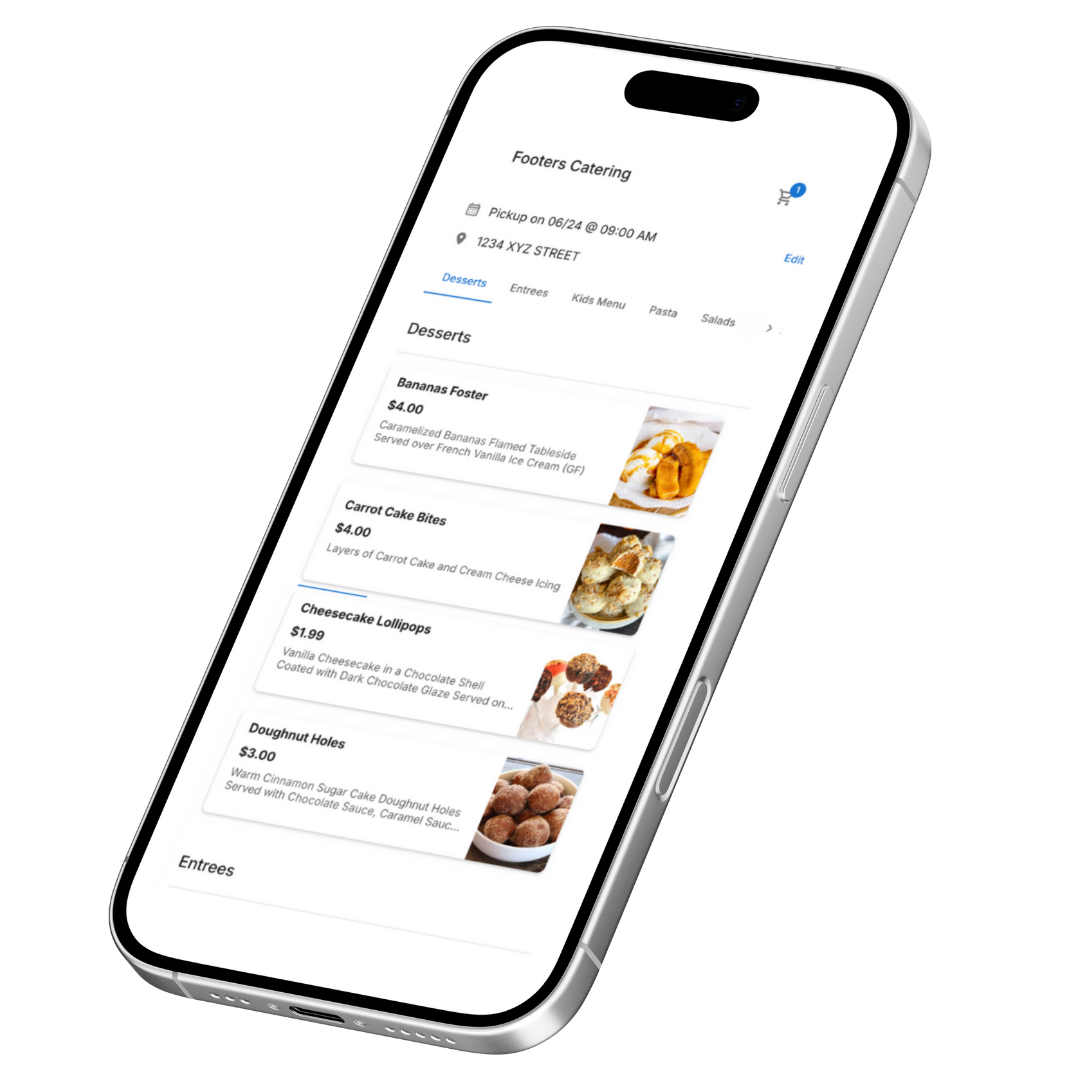
This category covers the tools used to plan and execute catering jobs. Benefits include fewer operational errors, better food-cost control, more efficient scheduling, and more reliable deliveries. Recommended vendors include Total Party Planner and Aisle Planner.
Read our complete guide detailing What Software Should You use for Your Wedding & Event Business.
Sales and client management
Includes: CRM and lead management, Proposal and contract tools
These tools support the process from initial inquiry through signed agreement. They help businesses respond faster, track opportunities, standardize proposals, collect approvals, and retain customer information for repeat bookings.
A great catering CRM combines client tracking with specialized event features like interactive proposals, recipe and food costs, and billing.
Payments and financial technology
Includes: Payment processing
Payment processing is how clients actually transfer their money to a business. For event businesses, this is an important step, as payment collection occurs before, during, and after jobs. You want to be able to accept payments or deposits in advance, and make collection simple for paying customers. Mobile payment technology like specialized apps, automated invoices, and flexible payment options are important to event business operations.
Marketing and customer retention
Includes: Marketing automation, marketing services
This includes automated email campaigns, lead follow-ups, review requests, customer segmentation, and promotions based on booking history. Its value is primarily increased conversion, repeat business, and reduced manual outreach.
Marketing Your New Catering Services
New catering services aren’t complete without letting existing and future customers know about your new offerings.
A strong catering marketing strategy combines online visibility with trusted local relationships is a great way to launch your catering add-on.
Google Business Profiles and SEO help potential clients discover the business, while reviews and other social proof build credibility.
Forming partnerships is another great step after adding catering services to your event business. Partnerships with wedding venues, bundled event packages, bridal shows, and referral programs generate qualified leads through established networks. Email campaigns then nurture those leads, promote seasonal services, and encourage previous clients to book again or recommend the business.
For more tips on marketing your event business in your area, check out our recent article discussing local marketing for party rental businesses.
Is Adding Catering Right for Your Business?
Catering is a great option for businesses well-aligned with food service. But whether your existing business is a good fit or not, catering is considered a profitable and enjoyable business to open with high margins, creative challenges, and a high-demand niche.
If you’re thinking about adding catering to your event business, consider your current business positioning, technological requirements, and your expertise in food service.
For party rental businesses looking to take their business to the next level, get in touch with us here at Event Rental Systems (ERS). Our party rental software and marketing services are used by hundreds of rental businesses, many of which operate mixed service operations.
Frequently Asked Questions
Can an event business add catering without owning a commercial kitchen?
Yes. An event business may rent space in a licensed commissary or shared commercial kitchen, or partner with an established caterer through a referral or white-label arrangement. Local health regulations determine whether food can be prepared in a home kitchen or must come from an approved commercial facility.
What licenses do you need to add catering to an event business?
Requirements vary by state and municipality but may include a business license, food-service permit, health inspection, food-manager certification, food-handler training, and appropriate liability insurance. Alcohol service and off-site food preparation or transportation may require additional licenses. Contact your local health department before accepting catering bookings.
How much does it cost to add catering to an existing event business?
Startup costs depend greatly on your current infrastructure and service model. A venue or concession operator with an approved kitchen, trained staff, and food-service equipment may spend considerably less than a rental company starting from scratch. Budget for kitchen access, permits, insurance, employees, ingredients, transportation, serving equipment, software, and marketing before calculating the expected return.